Laser Treatments
TRL Laser Resurfacing
Full ablative resurfacing. The deepest option. Reserved for the right candidate at the right stage.

What it is
Our deepest resurfacing option.
TRL stands for Tunable Resurfacing Laser. It is a fully ablative erbium laser.
TRL removes the entire epidermis and a controlled portion of the upper dermis. It is the most powerful resurfacing option on the Sciton Joule and produces the most significant structural change of any treatment in the laser lineup.
Full ablation at the dermal level triggers a profound wound-healing response: collagen and elastin production at depth, complete surface renewal, and structural changes that can persist for years when your skin is properly maintained afterward.
The results are significant, and so is the recovery.
Who it's for
Best for concerns that justify full ablation.
TRL is not the entry point into laser at 512 Skincare.
Deep wrinkles
Significant rhytids, especially around the mouth and eyes.
Photodamage
Moderate to severe sun damage.
Acne scarring
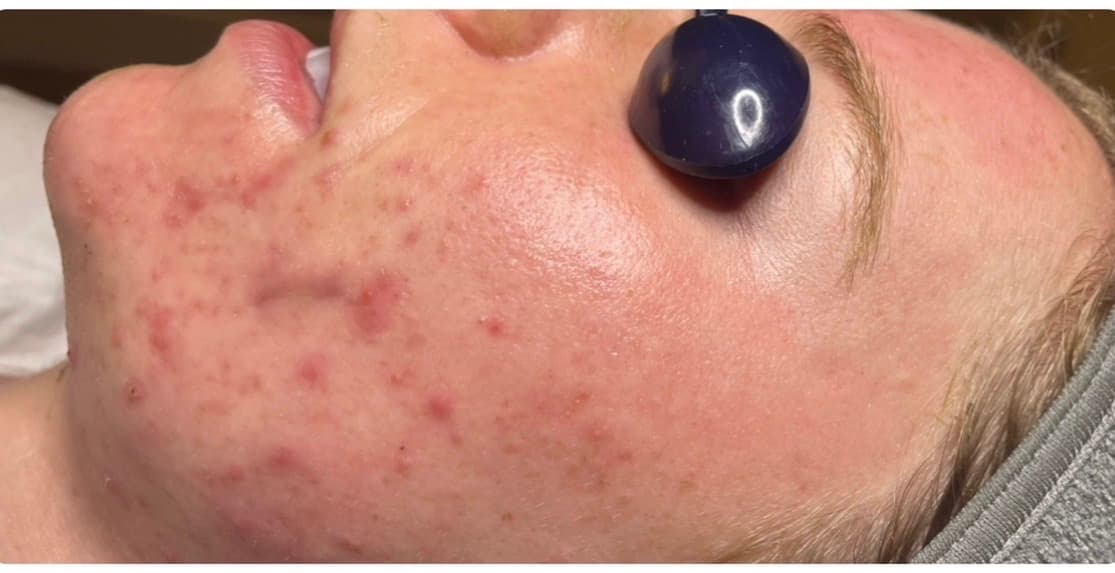
Significant scarring where fractional resurfacing alone is not enough.
Crepey texture
Loose or crepey skin requiring full epidermal renewal.
Advanced laxity
Skin laxity paired with surface irregularity.
What to expect
A full healing cycle.
Most people plan a full week away from public-facing commitments.
Topical numbing is applied, and additional anesthetic options are discussed at consultation depending on depth and treatment area.
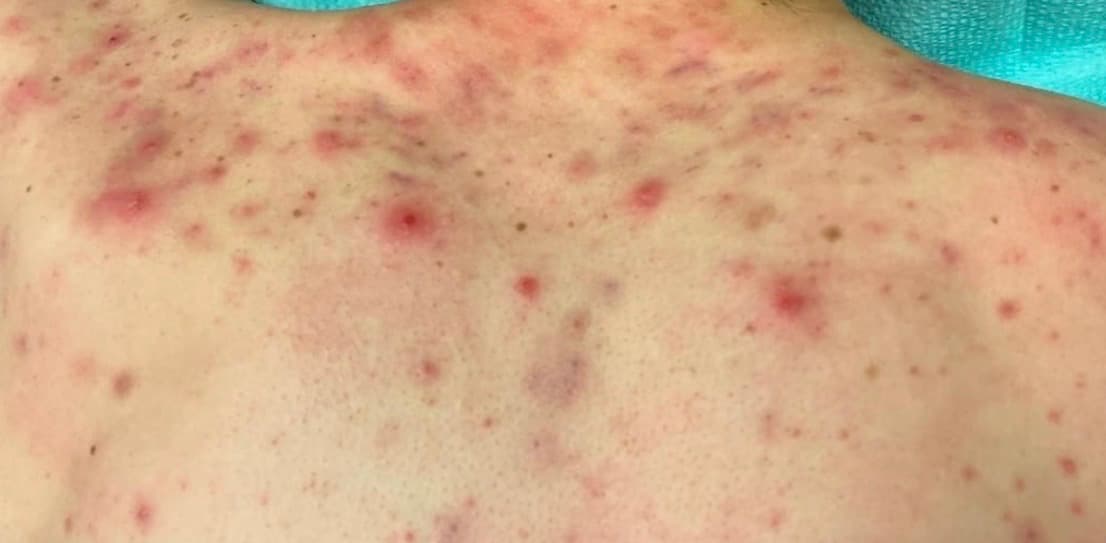
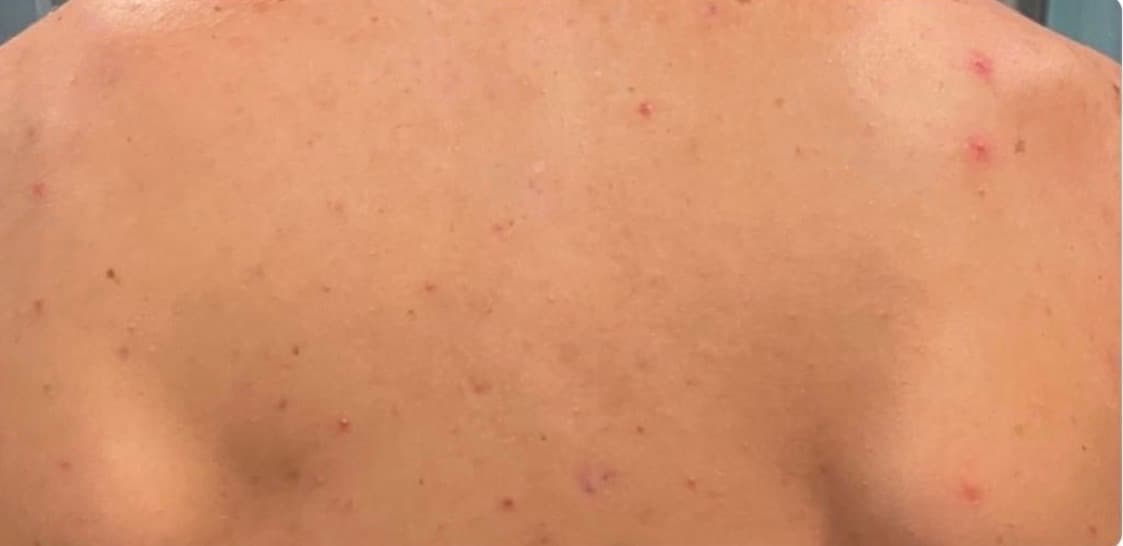
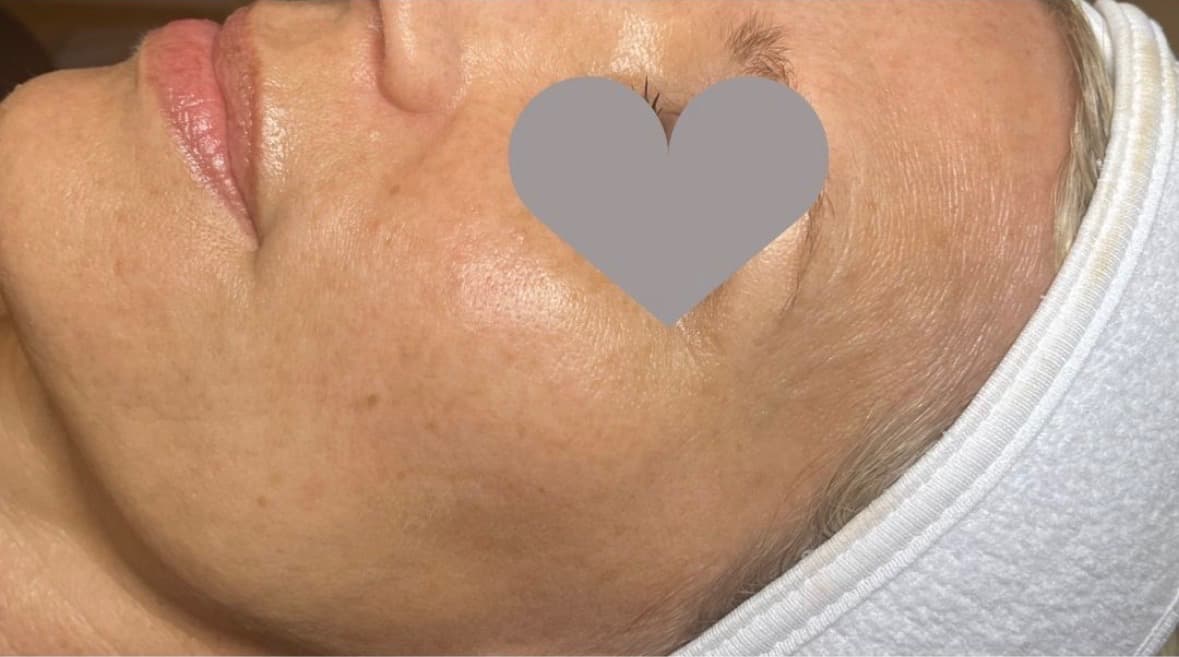
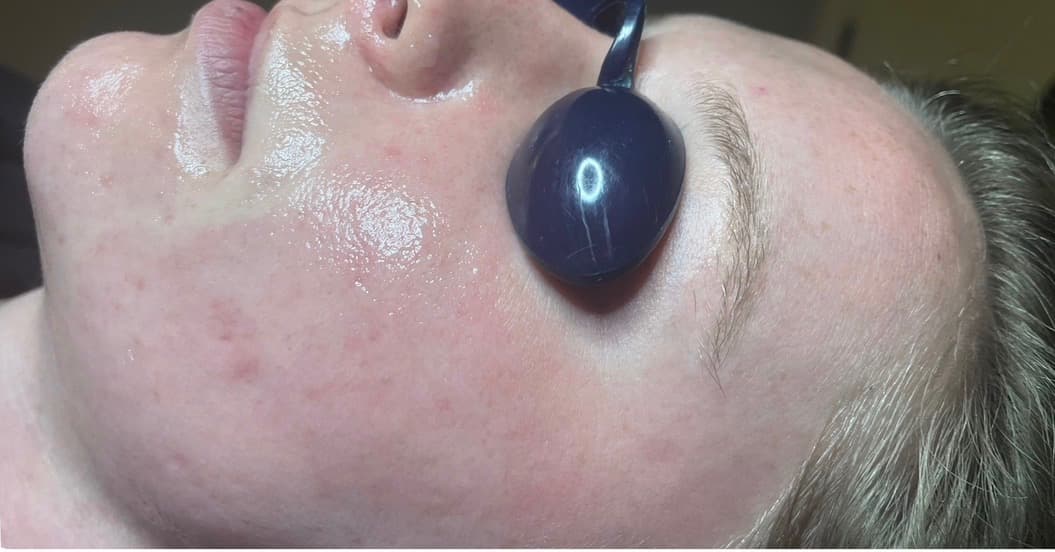
After treatment, raw and weeping skin is normal in the immediate post-treatment period. Redness, swelling, and oozing are expected in the first 48 to 72 hours. Skin progresses through oozing, crusting, bronzing, and peeling. Full epidermal renewal is usually complete by days 7 to 10.
Pink tone can persist for several weeks as collagen continues to remodel. For deeper settings, 10 to 14 days before skin looks presentable is not unusual.
Aftercare
A week of careful healing
TRL aftercare is the most involved on the menu. Following it exactly is what protects a result this deep.
Before
Avoid sun and tanning for 4 to 6 weeks and stop active exfoliants 10 to 14 days before treatment.
Antiviral
Antiviral prophylaxis is standard and prescribed before treatment.
Plan recovery
Arrange for a full week of reduced activity and no public-facing commitments.
Pause actives
No retinoids, acids, or vitamin C for at least 2 to 3 weeks.
Follow-up
A follow-up appointment is scheduled to assess healing and next steps.
After your treatment
Care depends on which laser you had, but the foundations are the same.
Physical sunscreen, every day
Wear a physical (mineral) sunscreen daily, no exceptions. This is the single most important thing you can do to protect your result.
Go easy on hydration up front
Counterintuitive, but less hydration on the front end actually means better tone and texture in the long run. Follow the plan we give you.
Know your downtime
BBL and Nano are minimal: BBL sun spots darken to look like coffee grounds for 5 to 7 days, then flake off. Resurfacing lasers like Micro, Profractional, and TRL run from a few days of flaking up to a week or more of real recovery.
Follow your post-care exactly
Each laser has its own protocol. Do it to the letter. This is where good results are won or lost.
What to avoid
Lasered skin is heat-sensitive and pigment-prone. These all wait.
Sun, strictly
Stay out of direct sun through your whole recovery and beyond. Sun plus fresh laser equals rebound pigment and ruined results. This is the rule we're most serious about.
Picking or peeling
Whether it's flaking skin or darkened spots after BBL, let it come off on its own. Picking risks scarring.
Actives
Keep retinols, acids, and active ingredients off until we clear you. Your skin is mid-repair.
Heat and sweat
Skip saunas, hot showers, and hard workouts while you're healing. Heat aggravates already-warm skin.
What's normal, and your next session
What healing looks like depends on the laser. After a BBL, sun spots darken and look like coffee grounds for about 5 to 7 days, then flake away to reveal more even tone, so don't be alarmed when they get darker before they clear. With resurfacing lasers, expect redness, swelling, and a sandpaper texture that smooths out over the recovery window, anywhere from 3 days for a Micro peel to 7 to 10 days for a deep TRL, where you'll genuinely look raw. Plan around the heavier ones.
Almost everything we do is a series, spaced 4 to 6 weeks apart for most modalities and longer for deeper resurfacing. Laser is fall and winter work in Texas, roughly October through March, because sun exposure is the enemy of a good result. We'll schedule your next session once your skin has fully recovered. If you see signs of infection, blistering beyond what we told you to expect, or worsening pain, that's not normal, so reach out.
Is this for you
TRL requires a clear reason and a prepared skin plan.
We will tell you whether TRL is appropriate for your skin, your concern, and your timeline. If it is not right, we will tell you that too.