Laser Treatments
Profractional Resurfacing Laser
Fractional ablative resurfacing. Collagen remodeling at the dermal level.

What it is
Structural remodeling, not surface brightening.
Profractional uses a fractional ablative laser to create microscopic treatment channels in your skin.
Each channel drives a wound-healing response: your body generates new collagen and elastin to fill and repair the treated zones, while the undamaged tissue around each channel accelerates recovery.
The collagen response builds over weeks. Texture and scar softening continue to improve as tissue remodels.
Profractional on the Sciton Joule allows precise control over channel depth, density, and coverage percentage. These parameters are adjusted based on your concern, skin type, and downtime tolerance.
Who it's for
Best for structure and texture.
Profractional is not the starting point for most concerns.
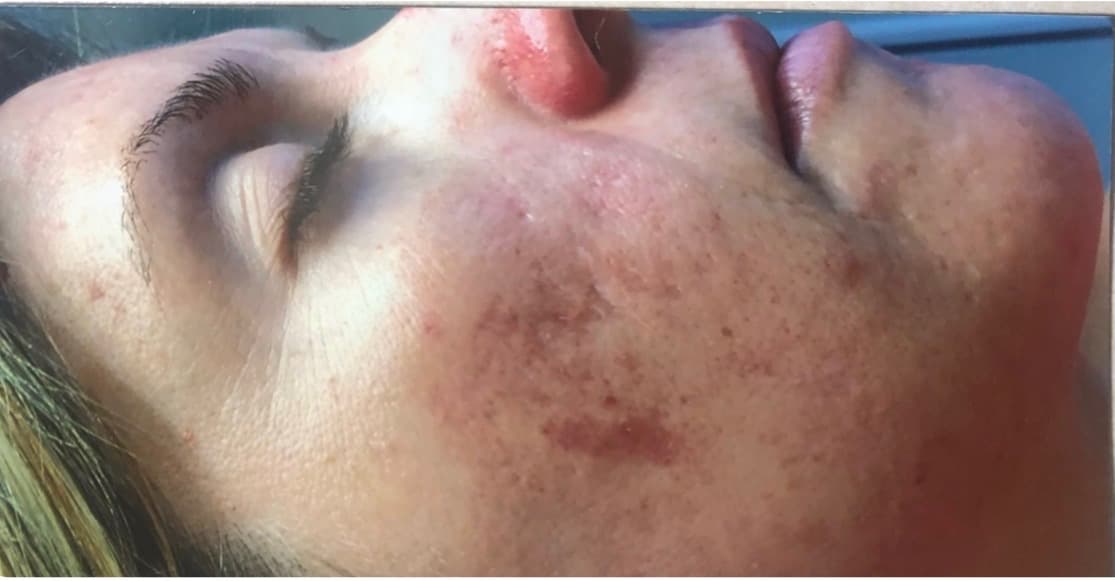
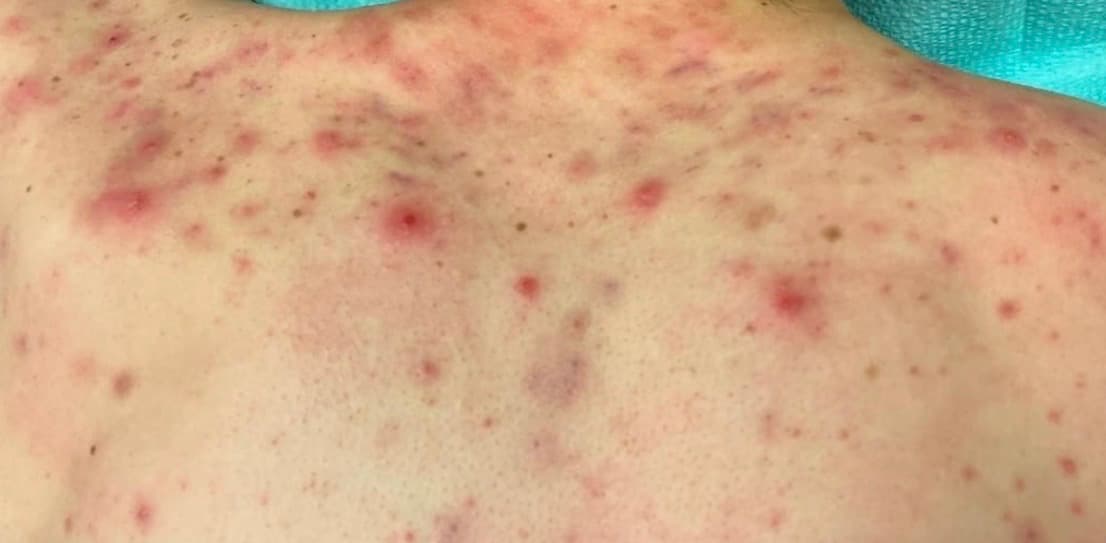
Acne scarring
Icepick, boxcar, rolling, and old textural acne scarring.
Surgical or traumatic scarring
Scar texture that needs dermal remodeling.
Fine lines and wrinkles
Especially perioral and periorbital lines.
Crepey texture
Skin laxity and crepey surface quality.
Advanced photodamage
Uneven, rough, or thickened skin surface.
What to expect
Depth, density, and downtime are calibrated.
A series of 2 to 3 treatments spaced 6 to 8 weeks apart is typical for structural concerns.
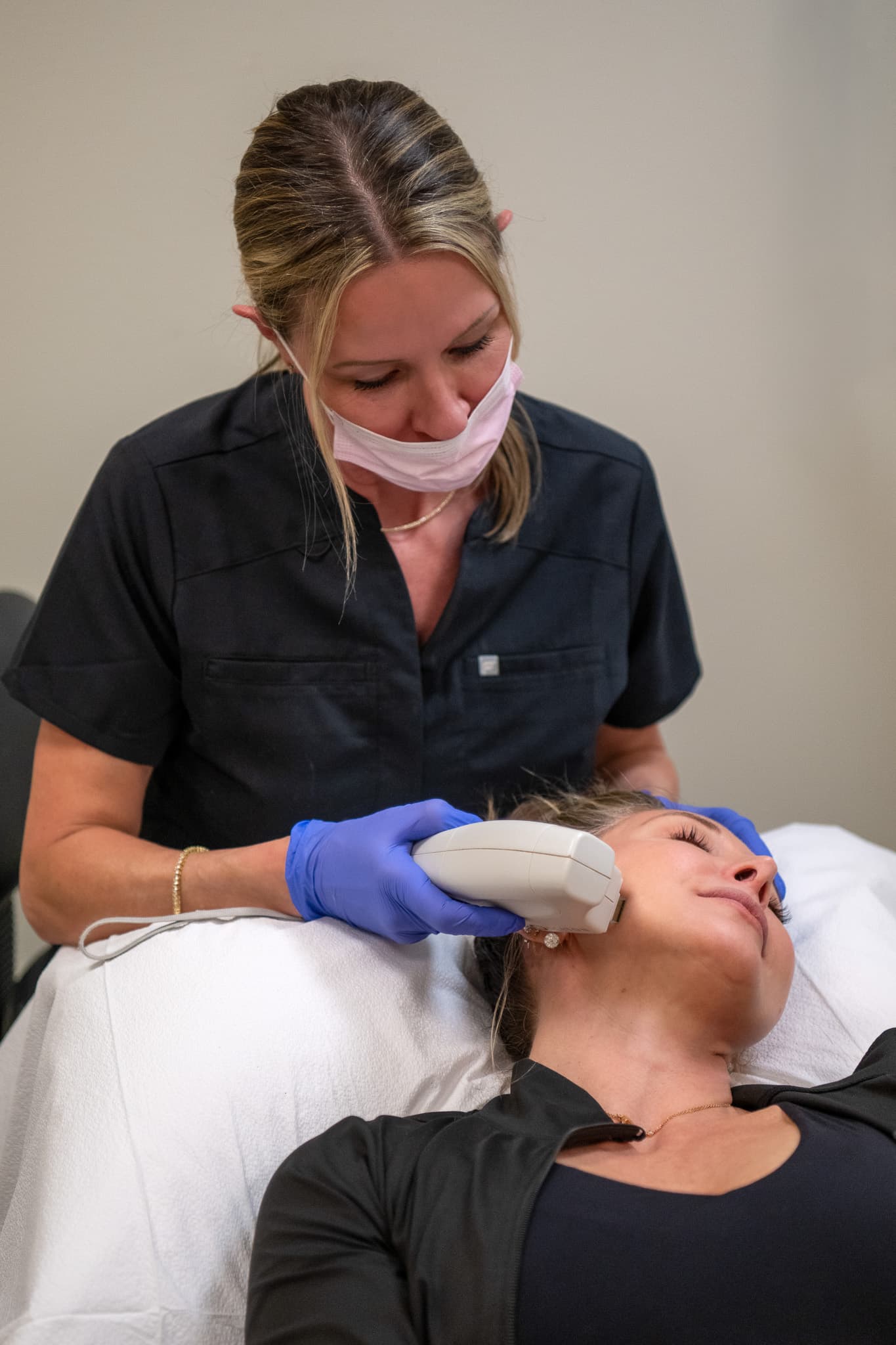
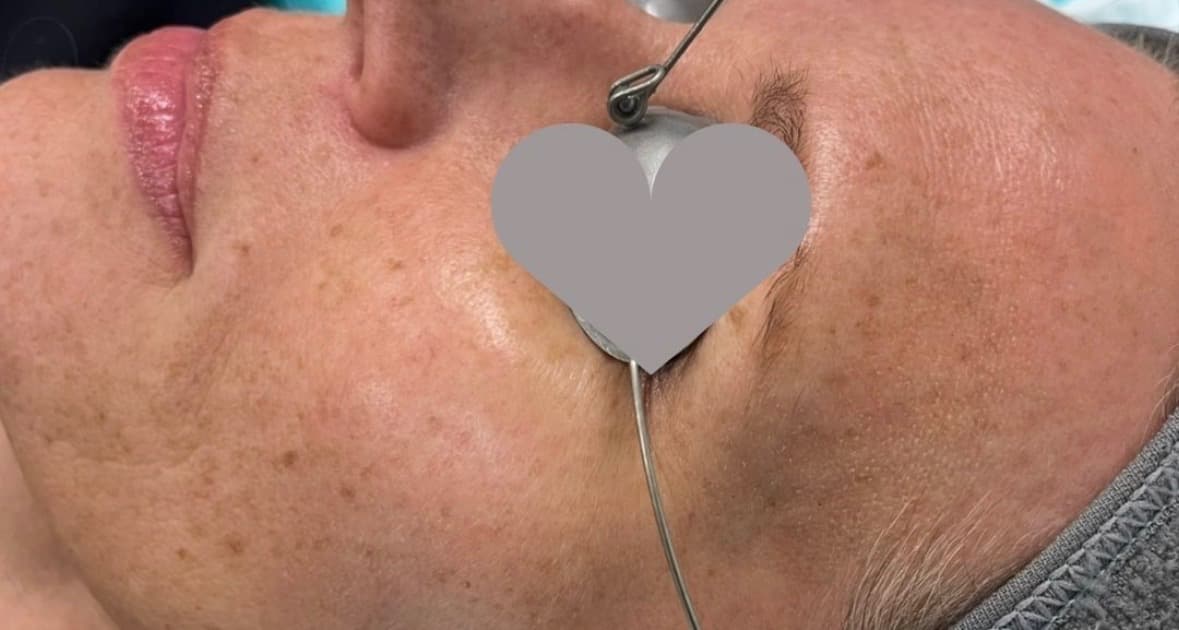
Topical numbing is applied before treatment. During the session, you feel heat and a prickling or stinging sensation in the treated areas.
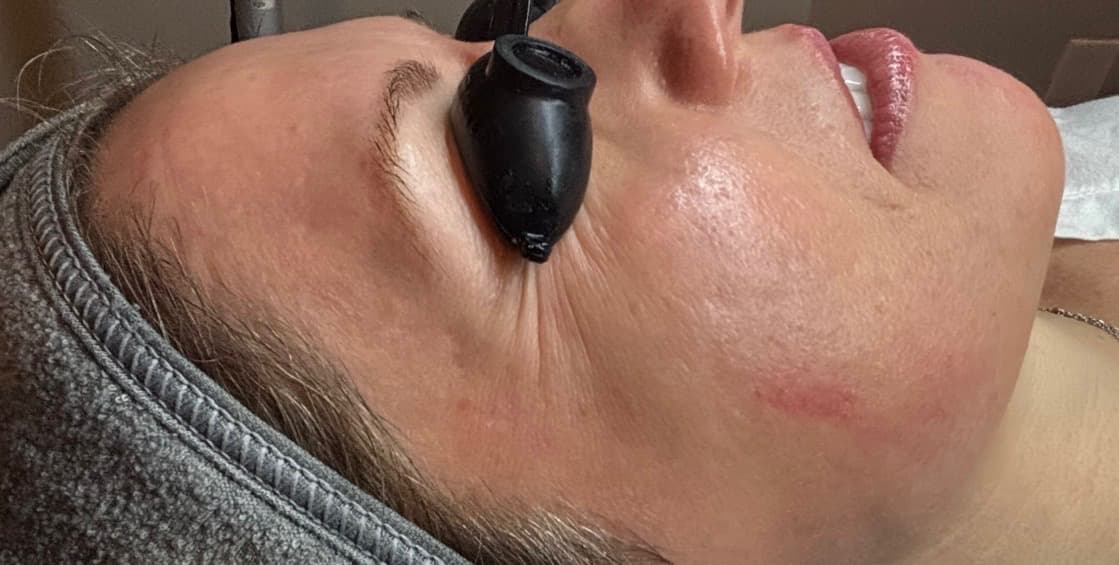
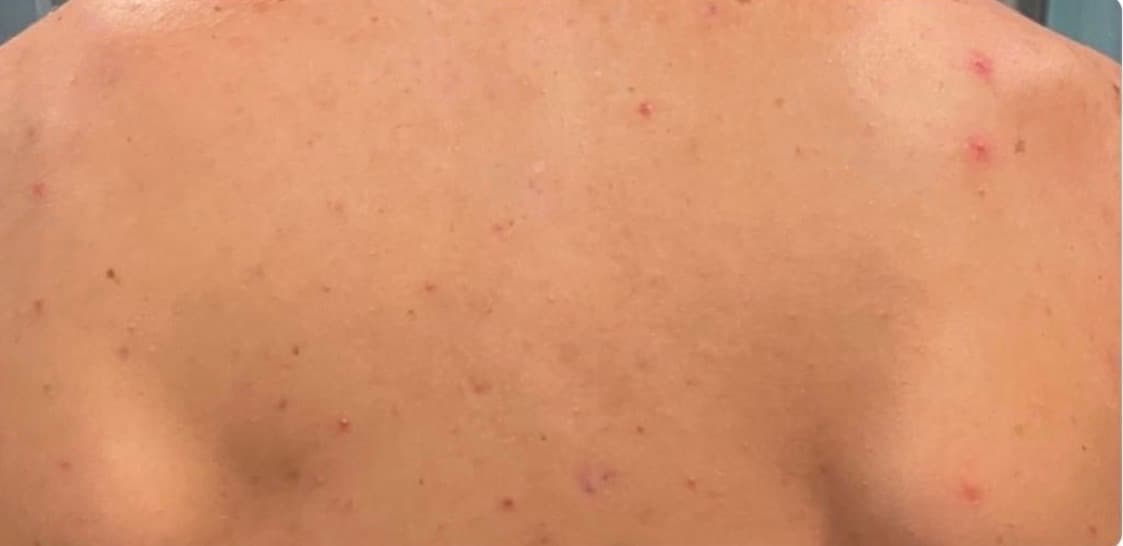
After treatment, expect redness and swelling, more pronounced than microneedling. Skin feels tight and begins to bronze or peel over days 2 to 5. Visible downtime is typically 3 to 5 days depending on depth. Deeper settings extend the recovery window.
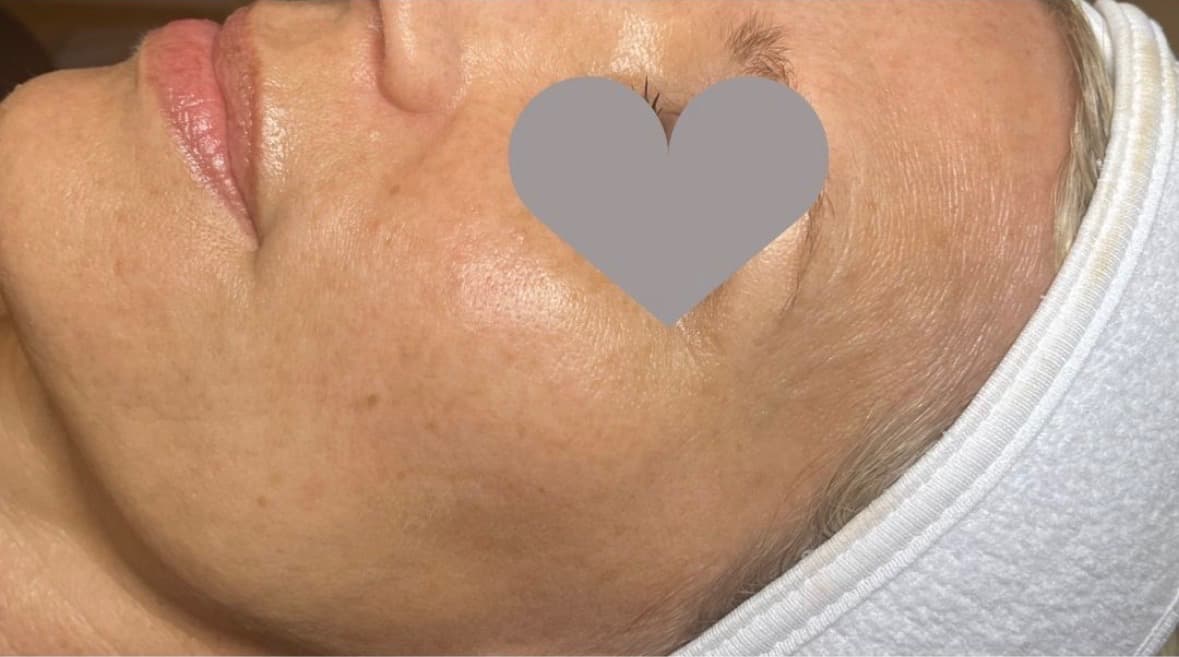
Results are not immediate. Collagen remodeling happens over 4 to 12 weeks.
Aftercare
Recovery matters as much as the treatment depth.
Follow post-care closely while the treated channels heal.
Before
Avoid sun and tanning for at least 4 weeks and stop retinoids 5 to 7 days before treatment.
Cold sores
Antiviral prophylaxis may be prescribed if you have a history of cold sores.
During healing
Use gentle cleanser and prescribed post-care only.
Pause actives
No retinoids, acids, or vitamin C for at least 7 days.
Sun
Wear SPF every day and avoid direct sun for 4 weeks.
After your treatment
Care depends on which laser you had, but the foundations are the same.
Physical sunscreen, every day
Wear a physical (mineral) sunscreen daily, no exceptions. This is the single most important thing you can do to protect your result.
Go easy on hydration up front
Counterintuitive, but less hydration on the front end actually means better tone and texture in the long run. Follow the plan we give you.
Know your downtime
BBL and Nano are minimal: BBL sun spots darken to look like coffee grounds for 5 to 7 days, then flake off. Resurfacing lasers like Micro, Profractional, and TRL run from a few days of flaking up to a week or more of real recovery.
Follow your post-care exactly
Each laser has its own protocol. Do it to the letter. This is where good results are won or lost.
What to avoid
Lasered skin is heat-sensitive and pigment-prone. These all wait.
Sun, strictly
Stay out of direct sun through your whole recovery and beyond. Sun plus fresh laser equals rebound pigment and ruined results. This is the rule we're most serious about.
Picking or peeling
Whether it's flaking skin or darkened spots after BBL, let it come off on its own. Picking risks scarring.
Actives
Keep retinols, acids, and active ingredients off until we clear you. Your skin is mid-repair.
Heat and sweat
Skip saunas, hot showers, and hard workouts while you're healing. Heat aggravates already-warm skin.
What's normal, and your next session
What healing looks like depends on the laser. After a BBL, sun spots darken and look like coffee grounds for about 5 to 7 days, then flake away to reveal more even tone, so don't be alarmed when they get darker before they clear. With resurfacing lasers, expect redness, swelling, and a sandpaper texture that smooths out over the recovery window, anywhere from 3 days for a Micro peel to 7 to 10 days for a deep TRL, where you'll genuinely look raw. Plan around the heavier ones.
Almost everything we do is a series, spaced 4 to 6 weeks apart for most modalities and longer for deeper resurfacing. Laser is fall and winter work in Texas, roughly October through March, because sun exposure is the enemy of a good result. We'll schedule your next session once your skin has fully recovered. If you see signs of infection, blistering beyond what we told you to expect, or worsening pain, that's not normal, so reach out.
Is this for you
Profractional belongs after your skin is stable.
If your concern is acne scarring, significant texture, or collagen loss that microneedling alone is not addressing, this may be the next-level option.